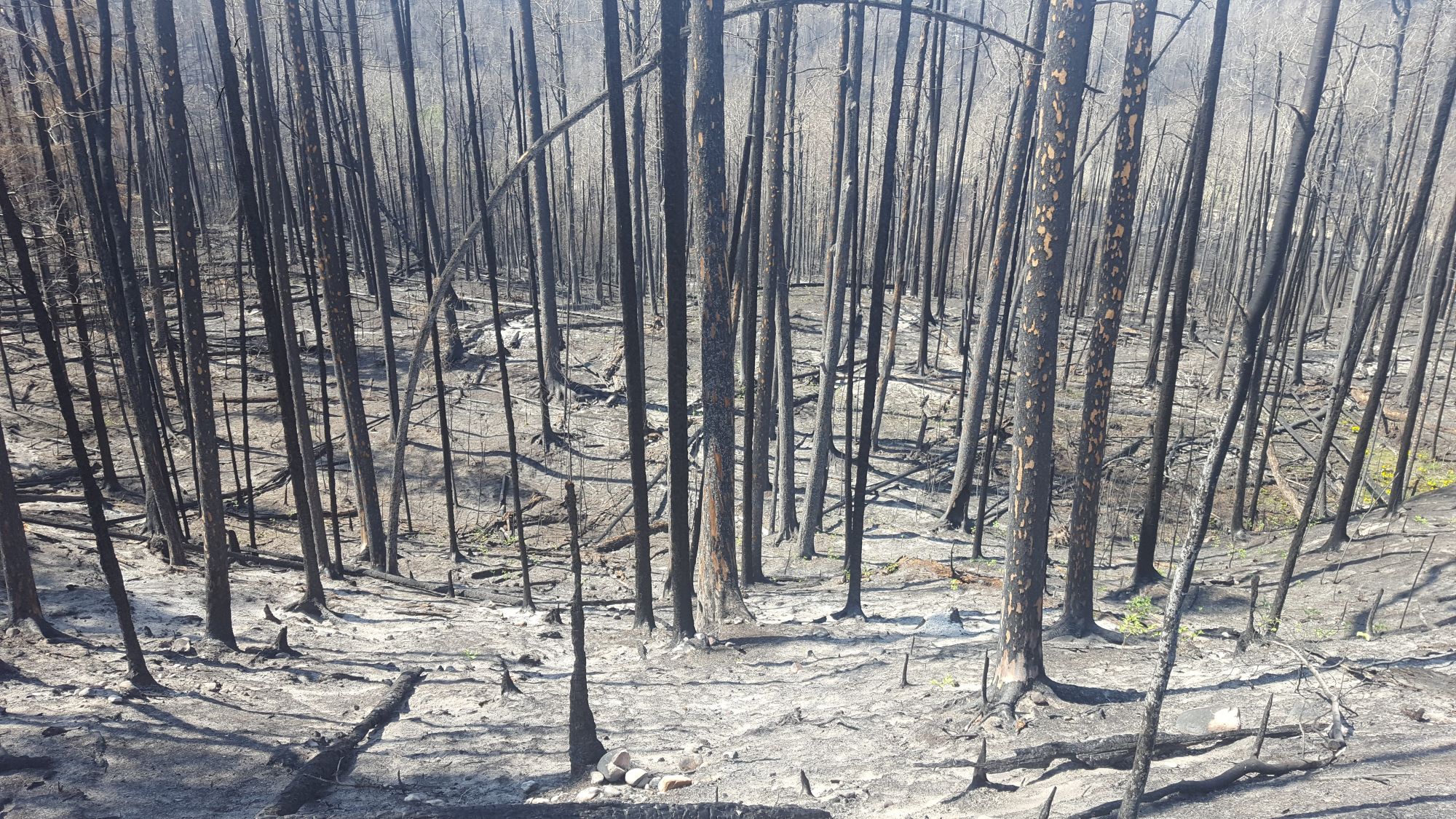

Each week during the wildfire season, Dr. Mike Flannigan will share a five- to 10-day fire weather outlook for Canada. This is a first step in developing a national early warning system for wildfire in Canada. The fire weather outlook will be posted every Tuesday.
Mike Flannigan is the scientific director of the Institute for Wildfire Science, Adaptation, and Resiliency as well as the BC Innovation Research Chair in Predictive Services, Emergency Management and Fire Science at Thompson Rivers University.
View bioWeekly Outlook | July 11-16, 2026 Issued July 7, 2026
All information provided below is reported at the time of publication and may not reflect more recent updates.
Current fire situationFire & Smoke
Last evening, after the temperature had dropped, we opened the windows to let some fresh air in but shortly after that we smelled that familiar wildfire smoke. We had to shut the windows. We did have a small blaze near town on Monday, but the smoke last night came from the Brunswick Creek Fire in the Fraser Valley (Figure 1). The purple air values were very high in Kamloops (Figure 2).
Where there is fire, there is smoke, and smoke respects no boundaries. This fire season, we have seen smoke from Canada travel to the U.S. and beyond, and we have seen smoke from very active fires in the western U.S. travel to Canada. The more we know about smoke, the more we find out how bad it is for humans. If one lives in downtown Toronto, or just about any other major North American city, the likelihood of your place burning down to wildfire is close to zero. However, the quality of your life could be miserable for weeks due to thick smoke from fires 1,000 km away (Figure 3). In 2023 and 2025, many tens of millions of people in North America suffered through prolonged smoke episodes, and as we expect fire activity to increase in future years, we can expect more smoke. We will take a closer look at smoke monitoring and modelling in a future outlook.
Canada has seen lots of fire and smoke recently, with a number of evacuations. Canada just moved to National Preparedness Level 4 (NPL4 means Wildland fire activity is significant within one or more jurisdictions. The demand for mobilization of firefighters and equipment from other jurisdictions is high. National Preparedness Levels (NPL) - Canadian Interagency Forest Fire Centre Inc. (CIFFC) ).
Area burned passed the 1-million-hectare mark and passed the 2024 area burned for this time of year (Figure 4). 2024 turned out to be a very active year but will 2026 follow suit? My guess is yes.
Currently, Canada is on fire with nearly 800 active fires. 670 of those fires are listed as out of control (CIFFC | Home)
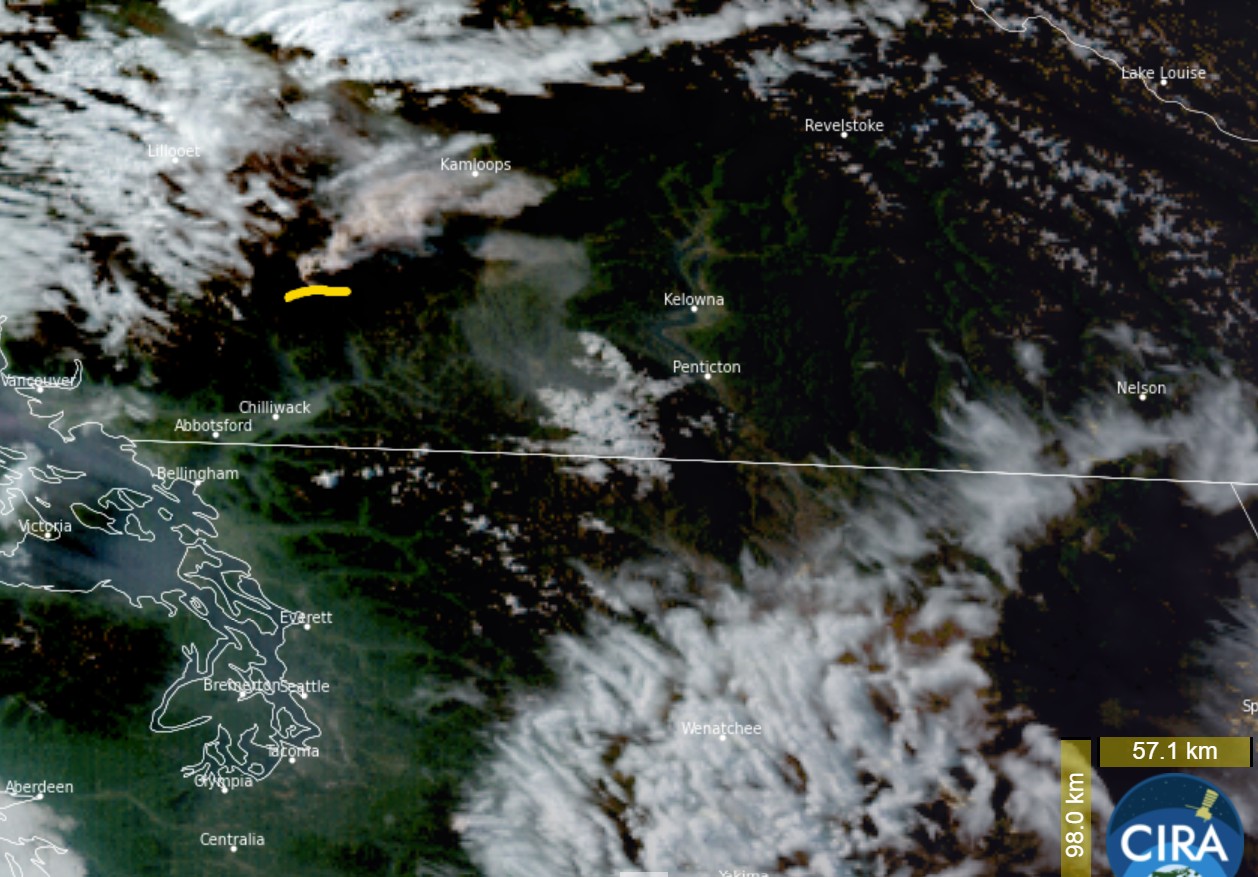 Figure 1. GOES – West geocolor image showing smoke travelling from the Brunswick Creek Fire to Kamloops BC July 6, 2026.
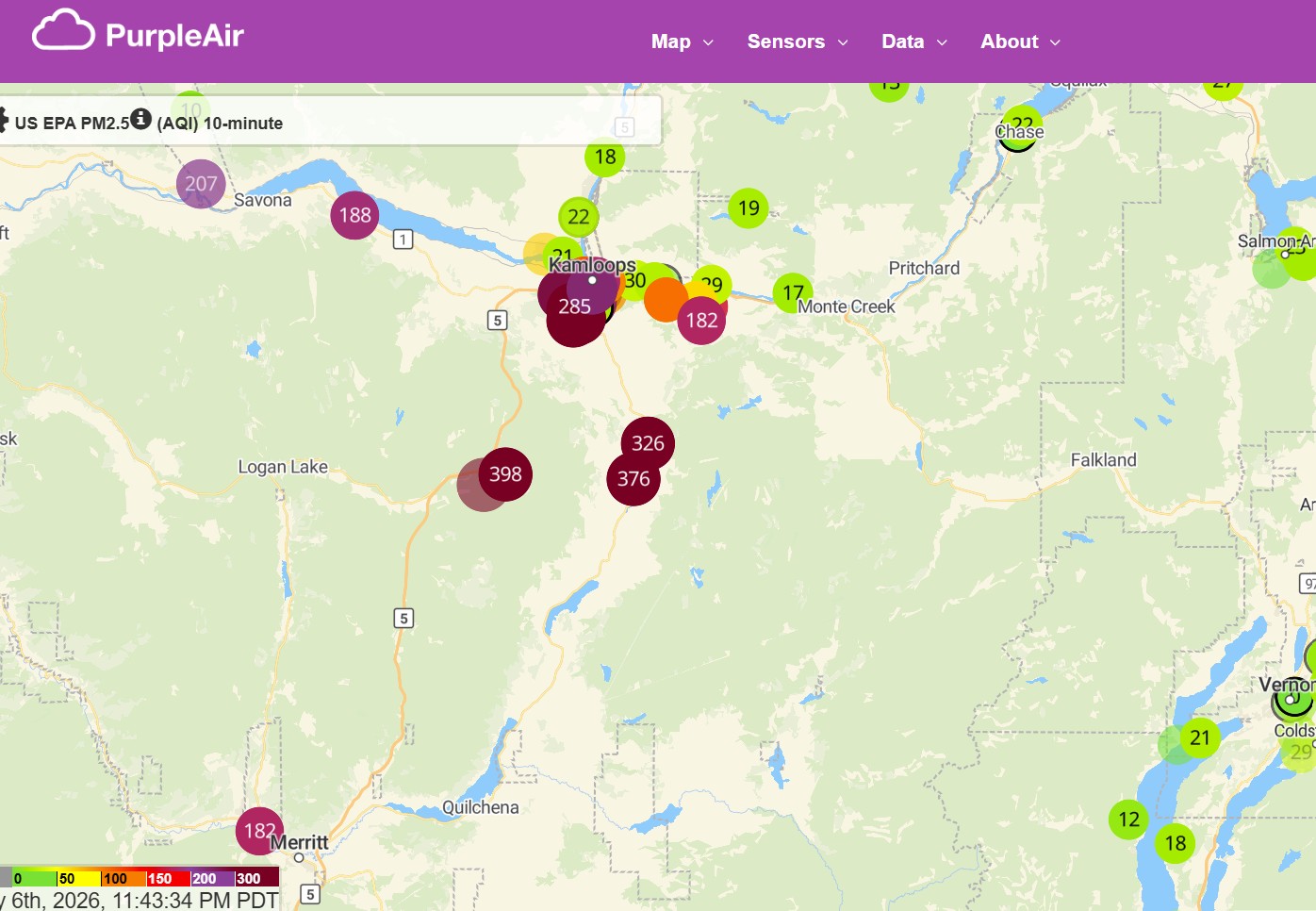 Figure 2. Purple air map from the evening of July 6, 2026 for parts of B.C.
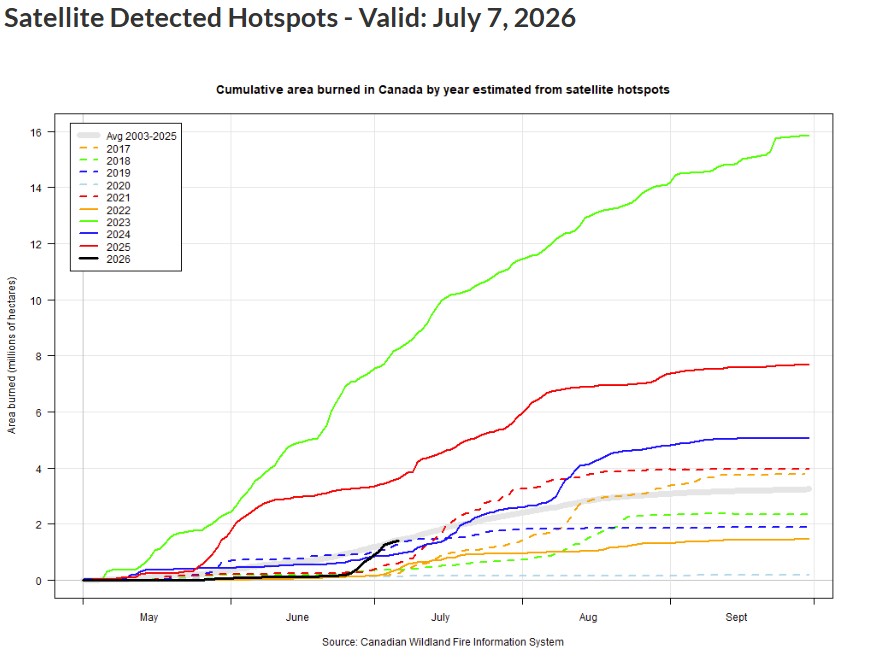 Figure 4. Graph showing cumulative area burned in Canada by year, estimated by satellite hot spots. National wildland fire summary
Fire weather outlook July 11- July 16
Warmer than normal temperatures are expected over much of Canada during the outlook period (Figure 5). Warmer conditions favour enhanced fire activity, especially when conditions are dry. Figure 6 shows the precipitation amounts for much of the outlook period (Figure 6). Expect elevated fire weather conditions over the Northwest Terrritories (NWT), southern B.C., and Ontario, especially early in the outlook period (July 11-13). Quebec and Labrador currently have lots of active fires, but a fair bit of rain is expected over the next 10 days, which will help but will not extinguish all the fires. Expect lightning early in the period for B.C., and of concern is lightning in the NWT on a number of days (Figure 7). I anticipate the NWT will have lots of fire for most of July.
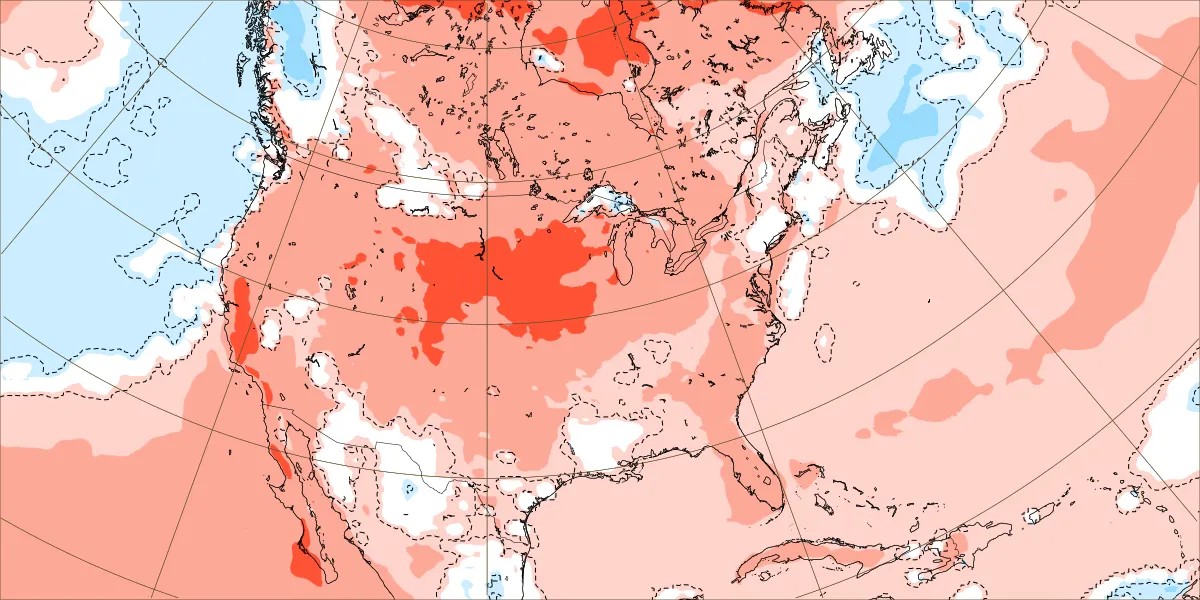 Figure 5 ECMWF ensemble temperature anomalies for July 13-20, 2026.
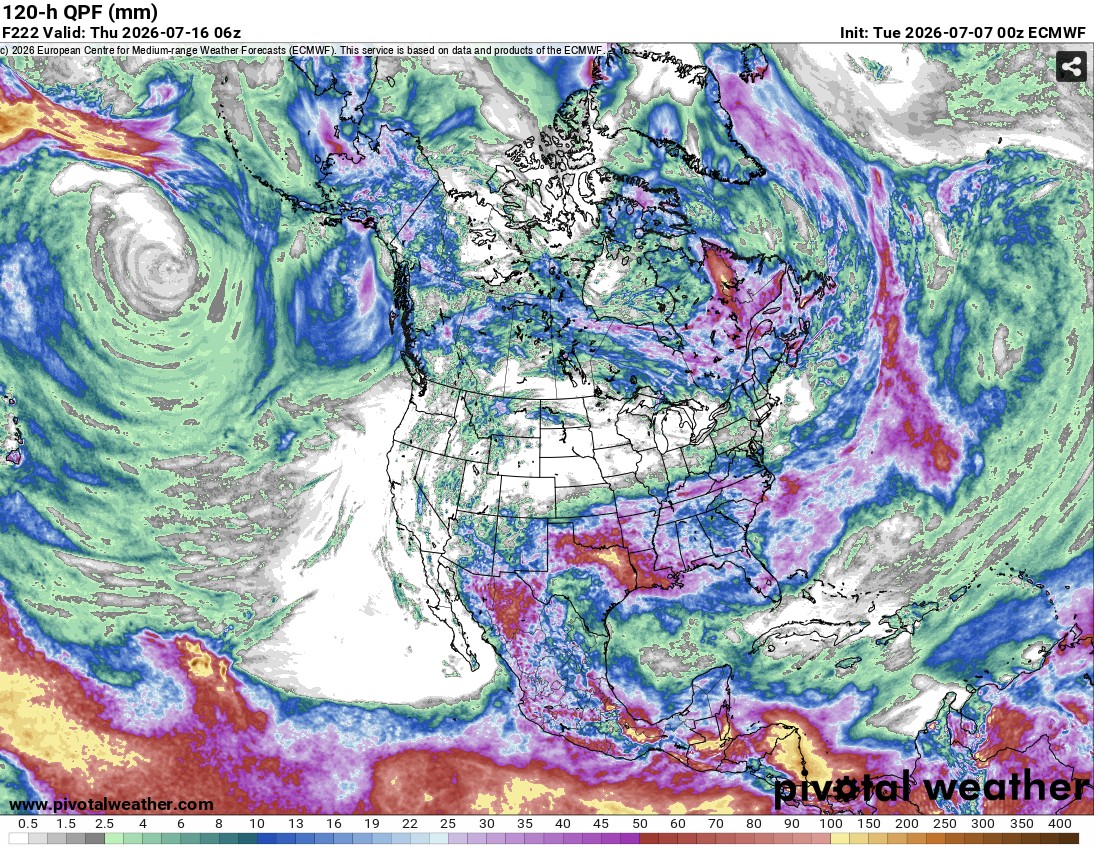 Figure 6. 120-hour precipitation amounts for July 11-16, 2026
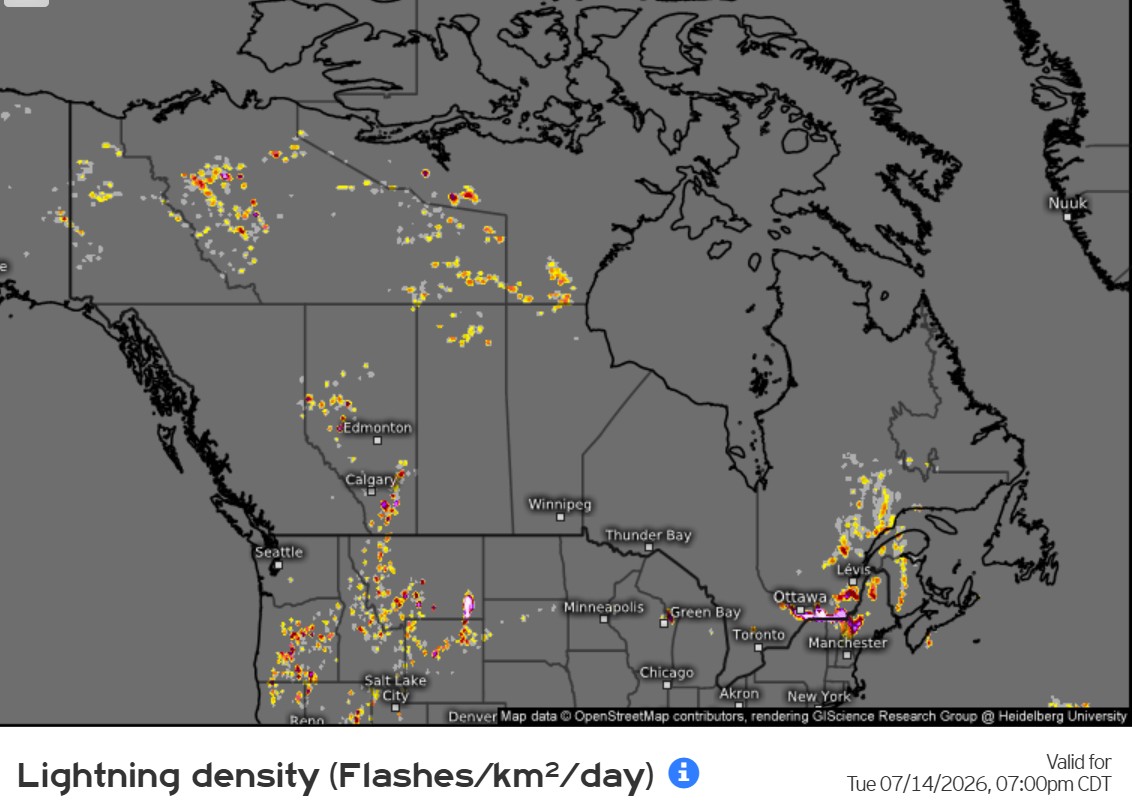 Figure 7. 12-hour lightning density forecast for July 14, 2026.
A Look Ahead
Warmer than normal conditions are expected to continue over much of North America, so I expect fire weather to be elevated with increased fire activity for July.
Interested in podcasts?
A podcast on fire, climate change, smoke and the economic impacts of landscape fires is available on the Eh Sayers podcast:
Eh Sayers | Orange Skies, Smoky Air and Billions at Risk of Going Up in Smoke
Weekly forecast history
July 2026
Questions?We have the answers
Questions, including media requests for Mike Flannigan, can be emailed to wildfire@tru.ca.
Want to keep up with fire weather and fire activity? Check out @mikeflannigan.bsky.social.
Subscribe to the Canada fire weather outlook